Table Games That Improve Mental Agility
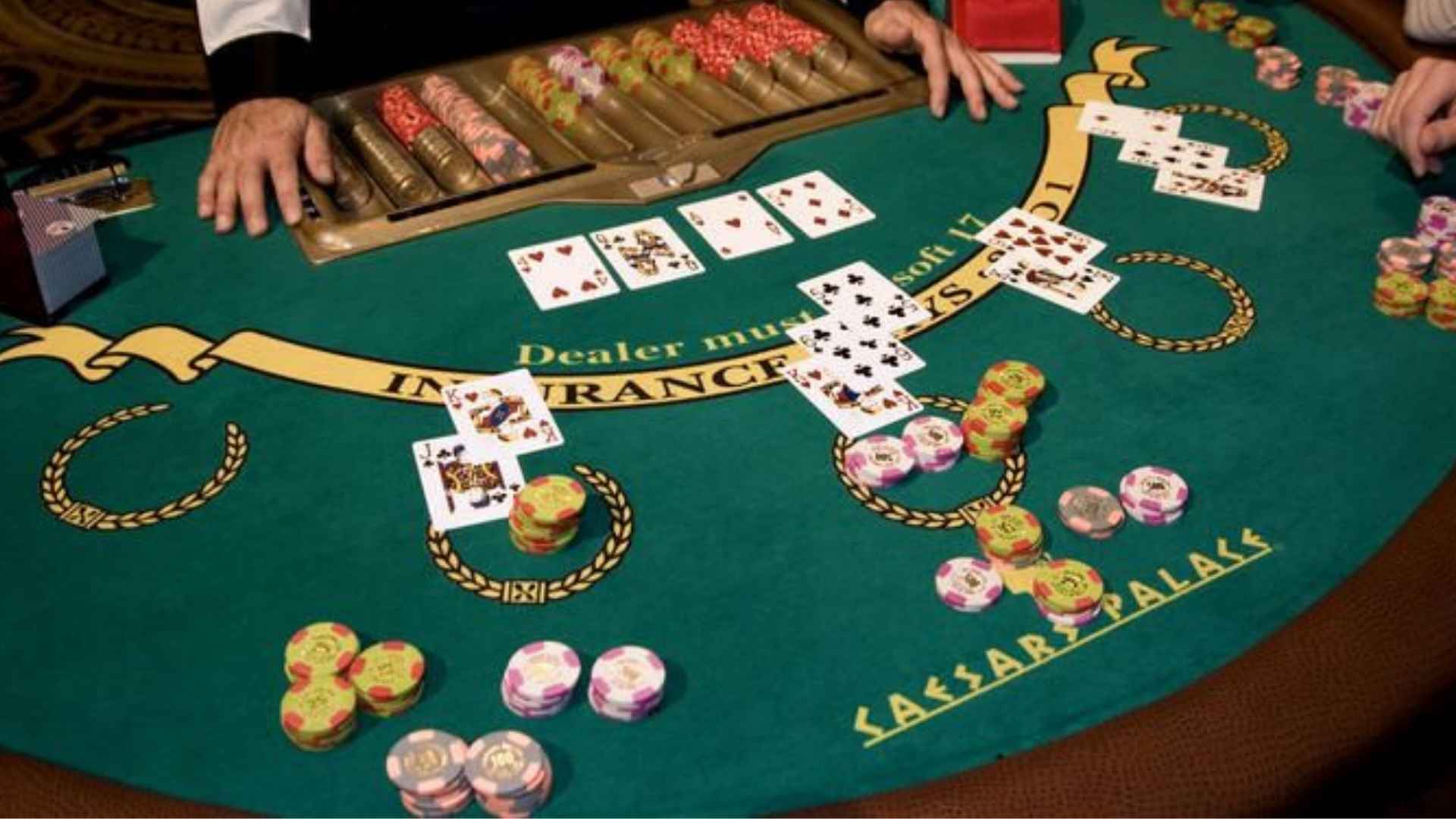
In a world increasingly dominated by passive digital entertainment, finding ways to actively challenge our minds has become essential for long-term brain health. Engaging in interactive tabletop activities offers a powerful workout for the brain, enhancing various cognitive pathways. This article explores how popular table games can serve as excellent tools for keeping your mind sharp, responsive, and highly analytical.
The Neuroscience of Strategy and Rapid Decision-Making
Every time you engage in a strategy-based game, your brain undergoes a rapid processing cycle of analysis and prediction. Players must constantly evaluate the current state of play, anticipate their opponent's next move, and adjust their tactics on the fly. This continuous mental loop strengthens executive functioning and improves working memory capacity over time.
Furthermore, these activities stimulate the prefrontal cortex, which is the region of the brain responsible for planning and complex cognitive behavior. Regularly pushing your brain to solve these dynamic, real-time puzzles helps build cognitive reserve. Consequently, players often find themselves making quicker, more accurate decisions in their daily lives.
Card Games as a Catalyst for Memory and Probability
Card games are uniquely suited for boosting numerical fluency and short-term recall. To succeed, players must keep track of cards already played while calculating the likelihood of remaining hands. This constant calculation refines your ability to process numerical data and weigh risks under pressure.
For those looking to transition these sharp analytical skills to modern online platforms, exploring reliable digital hubs can offer a brilliant way to practice. You can check out m88 mansion indo to discover a wide range of engaging virtual rooms designed for strategic gameplay. Testing your skills in such environments helps translate offline cognitive training into dynamic digital experiences.
Spatial Reasoning and Tactical Board Games
Classic board games require a high degree of spatial awareness and forward-thinking logic. Whether navigating a complex path or positioning pieces to secure a territory, players must visualize multiple steps ahead. This mental visualization directly enhances spatial reasoning skills and creative problem-solving abilities.
Engaging with physical components also adds a tactile element that further reinforces neural connections. Interpreting the physical layout of a board while managing changing variables forces the brain to remain highly adaptable. This adaptability is key to maintaining overall mental agility as we navigate complex environments.
The Social Dimension of Cognitive Training
While solo brain teasers have their merits, playing against human opponents introduces a layer of unpredictable psychology. Reading body language, predicting bluffing patterns, and managing social interactions require significant emotional intelligence and cognitive flexibility. This social complexity makes tabletop gaming far superior to isolated screen-based exercises.
By combining tactical calculation with social engagement, you create a rich, multi-sensory environment for your mind. Making these activities a regular part of your routine is a fun, sustainable way to safeguard your mental health. Ultimately, a healthy mind thrives on the unique challenges that only a shared tabletop experience can provide.