Tag: servelec-company.com
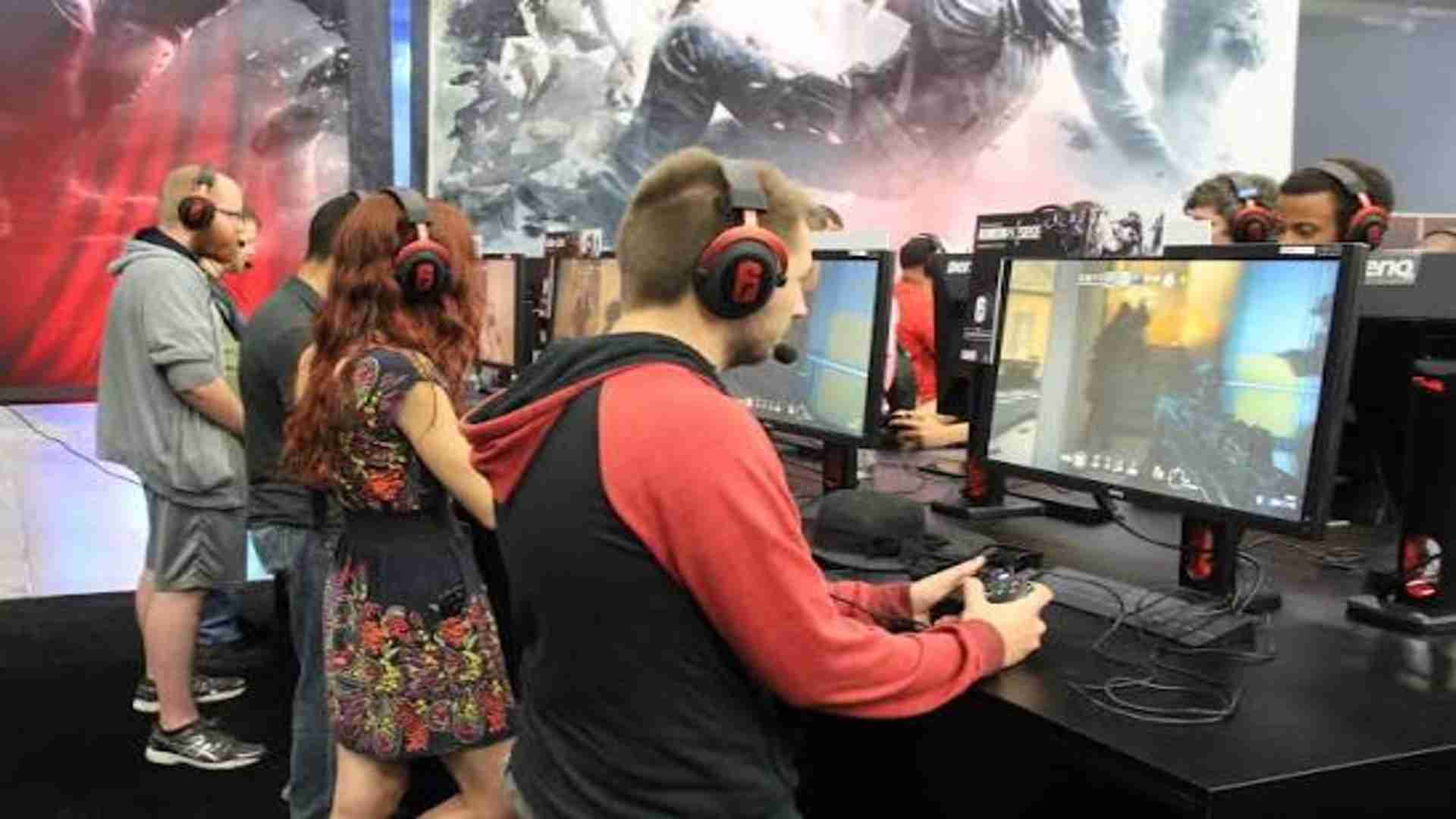
Exploring Skill Progression In Reward Based Gaming
Skill progression has become a defining component of modern reward-based gaming, shifting the focus from passive participation to active mastery. Players are no longer content with simple point distribution systems; instead, they seek structured environments where personal improvement yields tangible in-game advantages. Understanding how players refine their strategy over time provides vital insights into modern digital entertainment trends.
The Core Mechanics of Personal Improvement
In competitive and reward-focused titles, skill advancement relies on incremental learning curves and mastery of complex game systems. As players spend more time analyzing mechanics, their ability to navigate difficult challenges improves significantly. This sense of personal growth keeps users engaged far longer than static incentive models.
Furthermore, developers actively design adaptive difficulty curves that respond directly to player achievement. High-level players are rewarded not just for time spent, but for demonstrating precise execution and tactical foresight. This dynamic creates a satisfying feedback loop where higher proficiency unlocks superior rewards.
Strategic Choices and Mastery Rewards
Strategic decision-making plays a pivotal role in how users approach reward structures across different gaming platforms. Choosing optimal paths, managing virtual resources, and anticipating opponent moves all contribute to a player's overall success rate. Mastery rewards act as a direct validation of the time invested into sharpening these specific skills.
For those examining competitive trends or analytical options, checking an m88 bet platform can provide additional context on modern gaming environments. Players who study tactical elements often find higher satisfaction when their strategies pay off during gameplay. Transparent reward systems ensure that dedication to skill refinement remains worthwhile.
Psychological Impact of Skill-Based Incentives
Rewarding skill rather than luck fosters a deeper psychological connection between the user and the platform. When players recognize that their own decisions dictate their progress, their sense of agency increases substantially. This intrinsic motivation works hand in hand with external rewards to build long-term retention.
Additionally, skill progression helps build competitive communities where players share strategies and mentor newcomers. Peer recognition within gaming circles often becomes as valuable as the digital perks earned through completing hard milestones. This social dimension enhances the overall gaming ecosystem.
Balancing Skill Growth for Sustainable Play
Maintaining a balanced ecosystem requires developers to carefully calibrate the relationship between player skill and prize distribution. If the learning curve is too steep, casual players may feel discouraged, while overly simple mechanics can bore experienced veterans. Finding the right equilibrium ensures broad accessibility alongside competitive depth.
Ultimately, reward-based gaming continues to evolve toward systems that honor player competence and growth. As gaming mechanics become more sophisticated, the emphasis on skill progression will remain a fundamental pillar of user engagement. Prioritizing mastery ensures a healthy, rewarding experience for players of all levels.